Welcome to our Blog

Hi! I am Rod, and in the name of our team, I invite you to join in the conversation below. Become part of our special free releases, prize contests, and get to be one of the first to try out all the exciting features of our Unique Piano-Learning experience, as we open up the public-beta testings of each of our developments.

Pianists' Most-Rated Comments

  • Pedro: "I never thought that this report was going to be so complete and easy to understand. If this is just the beggining, I can't wait for what is coming next. Thank you very much. P. S.: Oh, and I forgot to tell that... " ( 18 votes 18 people thumbed-up this comment. Click here to rate this comment.)
  • Tristan: " :!: Very useful lesson! Taugh me theory practical things that I found nowhere!! Now I feel more motivated :razz: Thank you! " ( 17 votes 17 people thumbed-up this comment. Click here to rate this comment.)
  • Jolie: "Hi Rod, I've just finished the report and your report has made learning so much simpler!... " ( 15 votes 15 people thumbed-up this comment. Click here to rate this comment.)
  • Jassel Rojas: "Many Thanks, for your revolution, the mother Music bless you!! It´s a altruistic event,... " ( 14 votes 14 people thumbed-up this comment. Click here to rate this comment.)
  • Cres: "Hi Rod, I have read through the whole thing twice, and I will soon sit down at the piano... " ( 11 votes 11 people thumbed-up this comment. Click here to rate this comment.)
  • Archive for New Features

    Hi Everyone! :grin:

    These last three months have been of intense work and incredible results!

    We’ll be posting a more detailed post after the celebrations, next week, but just to give you a sneak-peek ahead,
    let me tell you shortly some of the news:

    • Our next release is called:

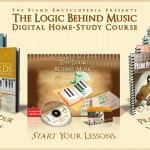
    The Logic Behind Music

    Mastering the Secrets to
    Music Composition and Improvisation
    in a Practical Way

    • It will be The Piano Encyclopedia’s first “Digital Home-Study Course“! :cool:  . The reason it’s no longer called The Piano Encyclopedia’s “Main Lessons”, is because after so many works of intense work from our graphic designers, musicians, writers, editors, and developers,  the lessons we have finished writing are so complete, and we have packed them with so much content, that it is really a Home Study Course what we have finally achieved in the last months.It spans over two full-multimedia volumes, with interactive piano-charts, and tools for mastering composing and improvising! We’ll be releasing  Volume 1 in the very next few weeks!  :D  Volume 2 will take us at least three weeks or more.  We also had a new graphic designer and musician from Philippines, Dante,  join our team (yes! he also plays in a music band and is a musician as well as a professional designer with lots of talent),  and he has helping us design some really cool new interactive graphics for our lessons. Also with the help of Imran (web designer from India), Alan and Brian (very talented web-designers from Argentina) and other members that have contributed in the ideas, making, and conversion of  the graphics we outlined with Dante, we now have an interactive Circle of Fifths, and interactive tools for analyzing and creating chord progressions, and many more stuff that we have made along the way that just make music much easier to understand!  It’s really looking fantastic! (I’ll post the previews of that soon!)
    • Also, as we finished with the writing we had more time to dedicate it to the community, which will be completely integrated to the Digital-Home Study Course, so everyone can join the conversation and ask questions. We spent so much time with this since we wanted to release everything together. Today the Piano Encyclopedia’s new Community development has been finished and the graphics and interface have been completely redesigned! We had the fortune of incorporating into our team a new Graphic Designer -who is also a musician- (yes another musician and graphic designer!) this time from Puerto Rico (yes! we’re really proud of our team!) who has helped us redesign the graphics of the community anew. William Rivera is a fantastic person and very talented and professional in what he does, and with his design skills he has helped us redesign completely our community. With the initial contributions of Gan (web designer), Chinju (web designer), Prakash (web developer), Joan (talented web developer from Philipiness, and our community Administrator), and other team members,  the community has progressed and evolved a lot.  And now with the addittion of William to the team,  who has helped us in making a complete redesign of the looks and user interface …  the community is now looking much better than before, much easier and user friendlier! - And it is now READY to be used! Take a sneak peek here below!  :wink:

      The Piano Encyclopedias New Community

    • And.. we’re also upgrading our servers, and with this upgrade at the end of next week, you’ll start seeing the links to the new community! From that point on, we’ll start the bigger private alpha testing, and shortly start sending invitations to The Piano Encyclopedia’s VIP followers, and then all the followers on our list, that joined our newsletter! So everyone will get to try our new community as we go along, and as we polish up all the features along the way while we let more members in.

    Stay tuned for next week! I’ll be posting more news about our Digital Home-Study Course, and posting previews! The lessons are really looking incredible, and I assure you’ll definitely agree that the wait was really worth it, because if you guys enjoyed Music Fundamentals (our 110 page eBook), you won’t believe how good this is! We’re really looking forward to change piano learning for the better, and we have worked more than a year to make this possible, so I am extremely confident that you’ll certainly LOVE “The Logic Behind Music”. It has everything you guys have been asking over the past many months, all combined together: real practical lessons that combine the experiences of many musicians and show how to master music composition and improvisation, sounds, animations, interactive  chord/ scale/ interval piano-charts, tools for improvising and composing music, real harmony examples from real songs and across different music styles, much more … and even a community for everyone to discuss what they are learning and share their piano recordings!  …

    Whoa… It really has been a LOT of work with many people involved! But the results are really worth it :smile: . What we have made it’s not just a ‘product‘ - it’s definitely a “piano-learning” experience, and this (and what’s coming) is what we had envisioned at the beginning of this project, so we’re all really proud of our work. The community is finished. Now stayed tuned, as I’ll be updating you on the release of Volume 1 of The Logic Behind Music in the very next few weeks.

    Next week, more updates and previews of The Piano Encyclopedia’s first Digital Home-Study Course “The Logic Behind Music”!

    In the name of the whole team,
    I wish a Happy Easter and Passover to everyone!

    Best wishes,

    Rod

    P.S: Always make sure to check the Community Chat Room to get a sneak-peek into the latest news! Much things have been going around there and you will also get to meet some very nice people that are also following our development. Evenmore, you might get to meet some of the team’s members that get online everyonce in a while! Make sure to check it out! I usually always post the first news over there!!!

    Save & Share This Post:
    If this helped you in any way, your vote is always highly appreciated!!
    • Digg
    • Sphinn
    • del.icio.us
    • Facebook
    • Google
    • StumbleUpon
    • Technorati
    • TwitThis
    • MySpace
    • Reddit

    Hi everybody!

    I have really good news to share with you!

    The Piano Encyclopedia’s Main Lessons are almost finished, and even though we are taking a little longer, the great news is that we have expanded our lessons with new sections, more images, interactive animations, and even more sound recordings.  We have also added some new very special practical chapters that we’re calling the “Real World Practical Chapters”. I’ll tell you more about that in a moment- but first let me tell you why…

    We’re really grateful to have received many wonderful emails and comments to our blog about our Music Fundamentals eBook, that we gave away for free, and I am personally very grateful for all your words of support and encouragement. (You can read some very interesting comments here). In this way, we have all been greatly inspired and we have focused on developing and expanding the Piano Encyclopedia’s Main Lessons during the last two months. They are almost ready and we’re finishing some new sections so as to include everything necessary for mastering composing and improvising - step-by-step - from beginning to advanced.  Thus, we’ll be releasing the Piano Encyclopedia’s Main Lessons before we release the rest.  The good news is that we’re almost done and that they are looking absolutely great!

    Jazz, Blues Piano Lessons

    We have been planning the content of these lessons for months and months, and to now see them almost finished is something completely delightful and exciting for me and the rest of the team!  But better yet, the great news is that we have also expanded our team, which is not only helping us to develop faster but also to enrich our content in ways we couldn’t before. We were lucky to find some very talented musicians, writers, and editors that share our vision. Some are professional concert pianists or piano teachers; while others are editors and writers, but that in addition, are also amateur musicians that share a deep passion for music.

    We have incorporated into the team both classically-trained musicians, as well as jazz, blues, and modern-style music lovers. Some of them find their way in life giving classical concerts in orchestras with all the joy Bach, Beethoven, Chopin and other great composers provide. Others have devoted their life to the jazz and blues, playing for clubs, jazz events, and improvising music for the wine-drinking crowds. Even though most of the music they play and love is separated up to four centuries apart, they all have one thing in common - that they all share our vision of changing piano learning.

    I am really amazed of how many experienced musicians share similar stories to the ones I told you about in our Music Fundamentals eBook. Stories about how many of them have also spent years of frustration, until they discovered some very simple but powerful concepts that changed their musical lives forever, opening their path into really understanding music, composing, and improvising. Concepts that sometimes are just not taught in traditional piano lessons.

    • Why don’t most traditional piano methods teach this?
    • Why aren’t these concepts taught right at the beginning?
    • Why isn’t music theory taught in a practical way?
    • Why only very few piano teachers know how to apply all this and most of them just focus on ‘piano playing’ instead of understanding how really music works?
    • Why, why, why….?

    Actually, teachers that know all these are so hard to find, and you actually have to consider yourself lucky if you have found a teacher that has told you that scales are not just for ‘improving playing technique’ or  ‘practicing your fingers’. As for myself -I had to spend more than ten years until I found a teacher that actually told me that scales were useful for determining the harmony of a song, and that they were the key to improvising and composing- and that scales were not just for ‘stretching your fingers’.

    Evermore -truth be told- I used to hate scales and I am sure many students do. My teacher, at that time, would tell me that I had to practice the scales so I could improve my playing skills; and although that’s true, I found it more useful to practice real music passages, and so I found it completely useless.  However now I definitely love them, and I practice even the exotic types in addition to the common scales (Spanish, Chinese, Arabian scales, etc.). Why? How come I changed from hating them to loving? The fact is no one had explained how to really use them… Nowadays, scales are my pathway in to playing different music styles, as just by knowing the notes and how a scale is harmonized, it’s very easy to figure out what chords to play along and how to improvise a melody. Why don’t they teach these key concepts right at the beginning?

    Some music secrets:

    • Knowing which key your new tune is, means that you should be able to figure out which chords to play with your left hand (the harmonization of the scale will give you the chords that you can use to play along with).
    • Once you know which chords to play, you’ll be able to know which notes you can use to embellish your current melody (the relation of scales to chords -and vice versa- will tell you which notes you can play on your right hand, with every chord you play on your left hand).

    • Mastering music intervals, not only will permit you to predict how chords sound even before you play them; but you’ll also be able to create new chord types by just combining the different intervals, just as if you were combining spices (intervals) for cooking a tasty meal (chords)  (music intervals as the elemental building blocks of music).

    • Understanding that music can be summarized into the concept of tension-and-release, and how this works with chords and scales, can open your doors into building chord progressions, and creating ‘musical-phrases’.

    • Music is like a language: the notes of the scale are your alphabet, chords are your words, and chord progressions are your sentences or ‘musical phrases’. Combining sentences can help you build paragraphs, and by combining ‘musical phrases’ you can start creating your simple songs.

    • Finding the balance between Tension and Release is the secret to how all the music works (relation of that concept with chords, scales, and intervals).

    You might want to read each of the previous sentences again and little by little, as I have just described some simple and powerful secrets, that when mastered, I assure you that they will change your music abilities dramatically, as they have done for me. I would have saved so many years of endless frustration had I learned all those concepts fourteen years ago! I have already shared with you some of the basic concepts that helped me really rediscover music in our Music Fundamentals eBook that we recently gave away for free.  (In fact, if you didn’t get your copy yet, you might want to grab your free copy here).

    However, in the Piano Encyclopedia’s Main Lessons not only will I be telling you in depth all these simple but powerful concepts that made me reach a new level of piano playing (and made me discover that composing and improvising was not just possible but also a very easy thing to do), but in addition, you’ll also get to enjoy all the secrets that made each of our team’s musicians reach a new music level- step-by-step.

    So whether you like classical, jazz, blues, or any other style, my goal is for you to understand how music works for ANY music style. My objective is to show you through these lessons how these simple but powerful music concepts work for explaining the harmonic structure of any music style. This is why we thought it was important to expand our lessons and our team, and also incorporate musicians who share the best of both worlds (classical and modern styles) so as to show you how music really works in the different fields.

    However, by now you might be wondering, “What are the Real World Practical Chapters?”  Well, just to give you a sneak peek, I am going to show you in a minute all the different music-style examples that have been ALREADY included in our new Real World Practical Chapters.

    Why Real World Practical Chapters? The reason is because even though our lessons already include many examples with chord progressions and harmonization samples,  in these new chapters, we’re including song excerpts from REAL songs to show you how the theory really fits into practice – using songs and music pieces from real artists and composers, not just some textbook examples. The purpose of these chapters is to show you how you can compose and improvise real music by mastering the concepts we are showing you. All the harmony of the songs and music pieces we’ll show you can be explained by using the practical tips and simple concepts we teach you.  By showing you music from the different music styles we can show you how all music works with same harmonic principles.

    I could tell you more about it, but I think it’s better if you take a look at all the musical styles that have been already included in our Real World Practical Chapters:

    Musical Styles already included in the Real-World Practical Chapters:

    • Pop
    • Rock
    • Jazz
    • Country
    • Folk
    • Soul
    • Gospel
    • Bossa-Nova
    • Rock & Roll
    • Blues
    • Major Blues
    • Minor Blues
    • Boogie-Woogie
    • Rock Ballad
    • Rag-time
    • Swing
    • Classical

    Currently, the Practical Chapters include the harmonic analysis of at least one song or music piece from each of the above music styles.

    In this way we hope to guide you through the classic songs that defined each music style, and hopefully walk you through your favorite songs. However, once you understand the fundamentals, you’ll be able to understand how the harmony works for any song.

    Now before I go on, let me give you a preview of all the excerpts from songs and music pieces we have already included in our Real World Practical Chapters:

    Some songs and music pieces we have already included in our Real-Word Practical Chapters:

    “Hey Jude” (The Beatles ),  “She loves you” (The Beatles),  “Paperback Writer” (The Beatles), “Yellow Submarine” (The Beatles), “Let it be” (The Beatles),  “Maybe, I’m Amazed” (Paul McCartney),  “Mac the Knife” (Brecht, Weill), “Johnny B. Goode” (Chuck Berry) , “Midnight Hour” (Wilson Pickett ),  “Glory Days  “ (Bruce Springsteen), “Old Time Rock & Roll” (Bob Seger ), “Maggie May“ (Rod Stewart and Melissa Etheridge), “Have I Told You Lately” (Rod Stewart and Van Morrison), “Different Drum”  (Stone Poneys), “Every Time You Go Away”  (Paul Young), “Empty Red Blues” (Bessie Smith), Sweet Home Chicago (written by Robert Johnson and recorded by The Blues Brothers), “The Twist” (Chubby Checker), “Hound Dog” (Elvis Presley), “Take It Easy”   (The Eagles), “All Along the Watchtower” (Jimi Hendrix), “Stairway to Heaven” (Led Zeppelin), “Oye Como Va” (Santana), “Black Magic Woman” (Santana), “Hotel California” (The Eagles), “Night and Day” (Frank Sinatra), “Have Yourself a Merry Little Christmas” (Ralph Blane and Hugh Martin),  “Für Elise” (Ludwig van Beethoven) and many more!

    So, as you can see, we’ll guide you through each of the musical styles and show you some real examples of how the theory fits into practice.  The good news is that we’re almost done.  We’re polishing up the graphics, preparing the animations and sound recordings, and making sure everything is looking great!

    Stay tuned and we’ll be back with more news; with more free stuff and previews along the way.

    In the name of the whole team,

    Thank you for following The Piano Encyclopedia’s development,

    Best wishes and Happy Holidays! :grin:

    Rod

    P.S:  You may want to read some very interesting comments about our Music Fundamentals e-Book here: Check out what everyone else is saying. If you have finished reading it, feel free to leave a comment, join the conversation, and let me and everyone else know what you think.

    P.S.S:  ..And if you didn’t get your copy of our Music Fundamentals e-Book yet, you may do so by signing up here: Reserve our Music Fundamentals eBook. Once you subscribe you’ll instantly receive a copy of our e-Book and we’ll keep you up to date with the development news, with more free stuff and previews along the way. Let me warn you that as for today, this eBook is free only for our followers, so I don’t for how long we’ll keep giving it away for free.

    Save & Share This Post:
    If this helped you in any way, your vote is always highly appreciated!!
    • Digg
    • Sphinn
    • del.icio.us
    • Facebook
    • Google
    • StumbleUpon
    • Technorati
    • TwitThis
    • MySpace
    • Reddit

    Hi Everyone!!!

    As promised, it’s time for me to tell you the EXACT release date of our First Piano Lesson Report!!!

    But, before I share that with you- you didn’t happen to miss our previous post, did you?

    A Short Recap…

    We’ve made SO much incredible progress during the last few months that this project is nothing compared to what it was at the beginning. It’s actually bigger and much better!

    We even posted PREVIEWS of all the “Secret Development” we’ve been working on the last few months, and -for the first time- we announced the OFFICIAL RELEASE DATES of The Piano Encyclopedia’s complete learning system.

    So if you did miss the previous post, make sure you check out everything here, learn about the NEW Piano Encyclopedia’s Community, the NEW Main Piano Lesson’s Course, and watch all the PREVIEWS!

    Getting to Know You Better

    I also mentioned in that post, that I would love to get to know you better and I think it would also be great for you to also know me better too! In this way, I wrote 3 questions for getting to know everyone better, but I have answered them myself FIRST :).

    The questions that I wrote on the previous post were::

    1. How long have you been playing piano?
      Or are you looking forward to it? :wink:
    2. What are you most interested in learning?
    3. Which music styles, composers, or music groups are your favorite? :smile:

    You may read MY answers to the previous questions here:

    See Rod’s Answers to the Previous Questions

    So make sure to let me know more about you by posting a comment there with YOUR answers! :)

    Regarding the Piano Lesson Reports…

    Yes.. While we continue creating the rest of the product and developing the new Piano Encyclopedia’s Community, we are going to be releasing these periodic piano lesson reports so that you can start practicing chords, scales, and get a sneak peek into composition and improvisation tips, even before The Piano Encyclopedia comes out!

    As I mentioned on our previous post, we really want to THANK YOU for all this time you have been anxiously waiting, so we hope that these piano lesson reports that we are going to prepare for you, every two or three weeks, make the waiting time shorter and a more enjoyable ride, while we test and finish developing the Piano Encyclopedia’s Main Piano Lessons courses, the new interactive Community platform, and all the new exciting features that we’ve working on the past months and we mentioned our previous post.

    The First Piano Lesson Report

    Indeed the FIRST Piano Lesson Report is about ready, and I want to tell you everything about it!

    So now you are probably wondering, what exactly am I going to learn throughout the FIRST Piano Lesson Report?

    Even though The Piano Encyclopedia is both for beginners, intermediate, and advanced students alike, we actually weren’t sure about where to start the Piano Report Lessons.

    However, lucky for many people that are just starting out, we have decided to make our first Piano Lesson Report start right at the beginning! This way we’ll be able to provide you with more advanced material and composing tips in the following Piano Report Lessons, while making sure that everyone has understands the basics. This will be also a great recap for many intermediate and advanced students too, as we’ll be teaching some fundamentals with a different approach that will surely make all the rest easy.

    We’ll be stressing on the understanding of the relationship between chords, scales, and music intervals- right at the beginning- so you’ll be able to see songs from another perspective and advance quite fast, as we move quickly into the world of composing, improvising, and understanding music!

    Let me give you a sneak peek into some of the things that are included into our very first Piano Lesson Report, so you know what you are going to get:

    The First Piano Lesson Report Includes:

    1. Get to know the fundamentals of composing, and improvising: Discover how mastering scales, chords, and music intervals will take your piano skills to the next level.
    2. Starting right at the beginning: chords, scales, and music intervals explained!
    3. Discover how to use intervals to play any chord or scale type on ANY key, without having to memorize every single note.
    4. Understand why chords sound like they do, find out the relationship between music intervals and the basic chord types.
    5. Master the major and minor triad chords and learn to play them on any key- by using the music intervals.
    6. Get a sneak peek into more complex Jazz and Blues chords and the role music intervals play here too.
    7. Discover the relationship between Scales and intervals, and get a sneak peek into some interesting scales.
    8. Learn what scales or chords are usually helpful in creating a sad, melancholic, romantic, happy or cheerful mood for a song - and understand why.
    9. Get an introduction to all the fundamentals so you’re ready to get into composing and improvising.
    10. We’ve included Tons of Piano Interval & Chord Charts full of graphics, so you can print them out and practice everything right in your piano.
    11. And much more…

    As you can see, we’ve included a lot into our very first Piano Lesson Report and have already begun thinking of what we’ll be including into the next Piano Lesson Report.

    This has been lots of work, can you believe we’re going to actually be giving away all this for FREE!?

    Why? We’re really want to THANK YOU for all the time you’ve been waiting, and for supporting our development. In this way, we’re going to be giving away great valuable content -exclusively-for our subscribers, so we will never publish this material directly on our site, as we’ll be sending it directly to your email :)

    So when is this all going to be available for you? I think its time I tell you! We will be making our very first Piano Lesson Report available on:

    The First Piano Lesson Report will be Sent to Your inbox on:

    Sunday, October 5th at 4pm EST Time!

    In this way you’ll be able to enjoy it during the rest of your Sunday, in just less than two weeks! However if you’re signed up with our newsletter you don’t have to worry at all, as on October 5th at 4pm EST time you’ll get the whole report right in your inbox! If you haven’t signed up yet, you may do that here to Reserve your Copy of the First Piano Lesson Report.

    Now that is not all that we will be making available to you. I know, there is just so much going on its amazing. We’ve actually gone ahead and updated our blog layout.

    We’ve added a calendar -which is right on the sidebar- to allow you to follow everything along easily and so you don’t miss any events throughout the months. We have also added a “Subscribe to comments” option, so that you’ll be able to follow your comment’s replies easily, by getting an email notification every time there is a new reply.

    This feature will be most useful after the release our Piano Lesson Reports, as you’ll be able to leave any music questions on our blog, and you’ll get notified when anyone answers them.

    We will continue updating everyone on how things are coming along and keep broadcasting you more Piano Lesson Reports, previews, and soon beta invitations. I hope you love our very first Piano Lesson Report, give me tons of feedback on what you like, ask any music questions you might have, and comment on anything else your minds can think of.

    Stay tuned for our next blog news- next Friday 26th!

    Cheers,

    Rod

    P.S: The first Piano Lesson Report will be released on October 5th at 4pm EST Time, if you haven’t subscribed, make sure you do that now here, as we’ll be sending it right into your inbox. :wink:

    Save & Share This Post:
    If this helped you in any way, your vote is always highly appreciated!!
    • Digg
    • Sphinn
    • del.icio.us
    • Facebook
    • Google
    • StumbleUpon
    • Technorati
    • TwitThis
    • MySpace
    • Reddit

    WOW!

    During the last few weeks we have received SO many emails from our newsletter members and new site visitors asking us, when will The Piano Encyclopedia be ready, how to get one of the 25 Free copies, and asking for an update on The Piano Encyclopedia development!

    We got tons of emails like these ones:

    “Hey Rod!
    How are you?

    I just wanted to check on how the development is going and when it’ll be ready…

    Thanks!”

    … or

    “Hi!
    I am very interested in trying your product and just wanted to know if you have already started the beta-testing…”

    I have personally read them all, but we’ve received so many emails that I actually couldn’t answer all of them yet.

    However, in order to thank you even if we haven’t replied your email yet, we have added everyone that has sent us emails in the past months to our VIP List. This means that if this is the case, we’ll make sure to send you the previews and special content a few days before the public release, before anyone else gets them. J

    First of all, I really want to THANK YOU for following The Piano Encyclopedia development, especially if you have been with us from the early beginning.

    I know everybody is very excited to get his or her invitation and be one of the first to try it out! And I really want to thank you for your patience and support- it keeps all the development team members motivated! :)

    We have been so busy on the development over the past few months, and even we updated the Community Chat Room with some short news, we actually missed the blog update… Actually on the last post I told you that we’re going to give away some free copies, but I actually didn’t finish telling you about HOW you can be one of the 25 people to receive a free full copy of The Piano Encyclopedia.

    BUT before I go into that, you might be wondering why this post is called THE SECRET DEVELOPMENT:

    …Well part of the answer is because we have been developing so many things I haven’t actually told you about! To tell you the truth, I really don’t know where to start.

    We made SO much incredible progress during the last few months that this project is nothing compared to what it was at the beginning. It’s actually bigger and much better!
    Even though I’ve been giving away some hints on our Community Chat Room, I actually didn’t want to tell you what we’re doing until we had everything worked out, we could actually SHOW you what we were doing, and we were close to give you an invitation to try it out.

    So the great thing about all this, is that TODAY, all those three conditions are true, and right NOW, right here, I am going to be able to show you some PREVIEWS of everything we have been doing the last few months!

    Stay tight, and I am also going to be announcing on this same post -for the First Time- the OFFICIAL RELEASE DATES, and the DATES of the upcoming EVENTS OF THIS MONTH.

    Yes, from now on, we’ll be stressing quite much on dates, so you’re able to follow the upcoming special release and preview dates for EACH month. You’ll also be able to see some changes in our blog layout by next week, as we’ll be adding a date calendar, as well as some other features to make date following easier.

    To begin, why not start by showing you a screenshot of a sample page of our Piano Encyclopedia?

    This is how one of the pages of The Piano Encyclopedia’s Scale Dictionary is looking:

    Piano Scales Dictionary

    In this page you can see all the D Common Scales, directly from our Scale Dictionary. You can play the scales either up or down, watch the interactive animations, and get detailed info and composing tricks about each one by clicking on the Toolbar Buttons and links.
    Please click here to see the image more closely

    So what has been going on in The Piano Encyclopedia’s LABS during these last few months?

    Where to start?
    …Well, I say we could start right at the beginning :o)
    . I hope you might agree with that! :wink:

    You’re going to love this…

    NOW our project is divided into 3 components. How come three? I mean, up till now I’ve only told you about just one, right?

    So…

    Component 1 of The Piano Encyclopedia: The Core

    Yes, until now you had just heard about The Piano Encyclopedia itself, our practical guide to composing, improvising, and improving your piano skills, with more than 700 pages, 2500 piano recordings, and 2400 interactive illustrations of piano keyboards.

    Just for a short recap, this includes our:

    · Interval Dictionary-> every interval explained, as well as their relation with chords and scales.

    · Scales Dictionary -> about every scale on the planet and in every root

    · Chords Dictionary -> all standard chords and even all of the strange and exotic chords, full of expert’s tips for composing and improvising.

    · Harmony Guide -> the harmonization of all the included scales, categorized by musical style

    · Composing & Improvising Tips-> find out all chords that can be used with a certain scale, typical chord progressions, and chord substitutions.

    · Interval, Chord & Scale Finder -> if you don’t know what you are playing, simply let the finder help you. Just input the notes and the finder will tell you what scale, chord, or interval you are playing.

    This is all looking real good, so I am sure you’d like to take a sneak peak? :)

    m9 Piano Chords Dictionary

    This is an extract of a page from the Chord Dictionary, where you would be able to see all the 12 Ninth Chords. You can play any of these chords, and activate the interactive animations by clicking the toolbar buttons and links. For example, by clicking on the rightmost toolbar button, you can actually explore any chord’s Inversions and Voicings, to discover how to create new exciting sounds.
    Please click here to see the image more closely

    Dm9 Chord's Musical Structure

    Discover how to Build all the Chords on ANY Key by mastering the Chord’s Musical Structure. This sample page, for example, shows you how the Db m9 chord can be built on any key, by understanding the relation between the chord and the music intervals. In this case, we can see that playing a simple Db minor triad and adding and adding a Minor Seventh and a Major Ninth can create the Db m9 chord. Discovering how the intervals and chords relate to each other, you’ll find it more easier to master all chords on all keys, and even make your own chords.
    Please click on the image to see it more closely

    So we have advanced a lot on this, and we’re really happy with our progress.
    Just to mention it, regarding the Beta-Testing of the previous developments, many people have emailed us asking us if the public beta-testing had already started (as they had seen the Beta-Testers Only sign on our site). However, I just wanted to make it clear that we have posted that sign for the Private Beta-Testing we’ve been running for team-members’ family and friends, to detect and fix the major bugs first. Soon, we’ll be going into the public Beta-Testing, so everybody that has signed up to our newsletter will receive our exclusive invitations to test the different developments as soon we go public-beta! (if you’ve signed up you should be receiving our newsletter, but if you’re not receiving it, you can check by re-entering your mail again, and if you’re already signed-up a message will tell you so) :)

    However, TODAY, I can say this is just the tip of the iceberg.

    The two other components that are now in development and complement everything I just mentioned, and I think they actually take the whole overall piano learning experience to another level.

    They are actually closely related together so let me tell you about these two…

    NEW! Component 2 of The Piano Encyclopedia: The Main Piano Lessons Course

    Even though The Piano Encyclopedia is a practical guide for composing, improvising, and improving your piano skills, we figured out that for some people –especially beginners- it could be difficult to know where to start especially with so much information available at the tip of your fingers.

    Also even though all of the above contains many interactive tutorials and explanations of how to harmonize a scale, suggestions of what chords to play given a certain melody, and how to create each of the explained chords in any key, we thought it would be a great idea to create a Step by Step guide, explaining everything from beginner level to advanced to master all the secret tricks of composing and improvising. Now I just call them ‘secrets’, but as you’ll get to see -and actually real soon (I’ll tell you why at the end of this post)- these are very powerful music concepts that are really easy to learn but that will probably change the way you see music.

    So in this way, The Piano Encyclopedia’s Main Piano Course has been born.
    The idea is for it to complement the whole reference guide, so that you can master all the elemental scales and chords before going into learning the more exotic chords and scales of the rest of The Piano Encyclopedia.

    In this way, the idea is to transmit to you all the necessary knowledge so you can then use The Piano Encyclopedia’s Tools to boost all your compositions, improvisations, and improve your piano skills.

    The best part of all of this is that the Main Piano Course is actually completely linked to The Piano Encyclopedia itself- meaning that you’ll be able to walk step by step through the lessons and with just a click you’ll be able to explore any topic in depth by going to the chords, intervals, scales, or harmony pages -from the actual lessons to The Piano Encyclopedia back and forth.

    If you don’t want to follow the actual lessons and create your own unique path, all the related pages of The Piano Encyclopedia will actually contain recommended chapters of the Main Piano Course lessons for you to read.

    I am going to tell you more about The Piano Encyclopedia’s Main Piano Course, in the upcoming posts, but before that, let me show you the Third component of our big project!

    NEW! Component 3 of The Piano Encyclopedia: The Community

    Now I am going to tell you about the Third component, which we have spent several months working on in our Piano Encyclopedia Labs :)

    I am going to give you a quick preview, but let me tell you that this is going to get as important as The Piano Encyclopedia itself, and stay tight cause I am going to show you how this final component ties everything together.

    We had been thinking about how to improve our overall piano learning experience and listening to your comments, feedbacks, and mails, and so we created our new The Piano Encyclopedia’s Community

    What is this all about?!

    We’re not talking about just a simple Chat Room as we have now.

    It’s a whole community system we built from the ground up that is completely connected to the previously named components.

    That is, the Piano Encyclopedia’s Main Piano Course is actually going to be held under our new community. First off this means that not only you’ll be able to enjoy the lessons and the interactive components of The Piano Encyclopedia, but also to ask questions to fellow pianists and musicians!

    So the new Piano Encyclopedia’s Community will be a place for you to share piano experiences with fellow piano students, teachers, composers, and professional musicians.

    Even more, you’ll be able to share your piano recordings, compositions, and your knowledge - and learn from other pianists in the community.

    However what will make this piano community different from any other is that it will actually be powered by The Piano Encyclopedia Engine!

    We have created a very powerful technology that actually detects and identifies any music keyword found on text: even any chord, scales, or interval name. What this means is that if you write a question on one of the lessons, or write a comment under the community’s forum, all the chord/scale/interval names will be auto-magically converted into their respective piano keyboard images plus their sound! But wait, that’s not all, moreover all the music keywords will be linked to the pages of The Piano Encyclopedia itself.

    What this means, is that anybody will be able to extend and complement the hundreds of pages of our Piano Encyclopedia, and all their written articles and lessons will be as interactive as The Piano Encyclopedia itself!

    You’ll also be able to make new friends and have a buddy list, a personal user profile, and share your piano performance recordings and compositions!

    Wow! As you can see this is all really big. But the great thing is that thanks to previous months of intense development, TODAY I can tell you that this is no longer an idea, but actually a dream come true for me and the whole team.

    We had actually thought of adding this community feature post the launch of the original Piano Encyclopedia, however the community had the potential of adding so much value to the overall piano learning experience that we had decided to work on that now – and it’s looking wonderful.

    This way, not only will you have tools for improving your piano skills, and boosting your compositions and improvisations, but also a whole community that will support you. A place where you’ll be able to share your recordings and show other people your progress, ask questions, and learn from a community that is using the same lessons and tools as you’re using.

    In this way, as you can see now, everything will be fully connected: The Piano Encyclopedia, the Piano Main Course Lessons, and the Community.

    Let me walk you through some of the main features of our new community that are already implemented:

    • Ask piano and music related questions to fellow members on The Piano Encyclopedia’s Forum
    • Enjoy interactive piano lessons and music-related articles written by members of the community, and interact with them, in the User’s Piano Blogs section.
    • Interact with people that love the same stuff that you do, join the current User Groups or create your own: make your own Jazz, Blues, Chopin, Bach, or anything-you-love piano Group, and let people in.
    • Find people with similar interests and add them to your Friends List. Follow what they are doing, send them private messages, share your posts with them, or even write messages to them on their Profile Wall.

    The good thing is that we will open The Piano Encyclopedia Community to you guys exclusively real soonbefore the rest of the developments. Apart from you getting to try all those new features, we thought the community would be a great idea to get to know each other, and listen more closely to your feedback and comments, specially using the new forum. Many of you sent me emails proposing to add a Beta-Testers forum, so it will be great to use our new forum, real soon.

    I guess it’s time for the PREVIEW!!!

    The Piano Encyclopedia's Piano Community

    Ask Questions to fellow piano students, teachers, composers, and professional musicians. Share your progress, participate into piano recordings, compositions and composition contests- and learn from other pianists in the community. Make friends with people that are using the same lessons and tools you’re using and enjoy user created content.
    Please click on the image to see it more closely.


    So as you can see we have been making some incredible progress during the last few months, and I hope you agree that the waiting was worthwhile! :)

    I’ll tell you more about the Community’s exciting features in our next post, and eventually you’ll get to try them all!

    However, I know that you have been anxiously waiting, and so we have thought a lot about you and how to make your waiting time more enjoyable.

    For this reason, we have decided to release from now on periodic PIANO LESSON REPORTS!

    The Piano Lesson Reports!

    What are these?

    These are going to be piano lessons reports that we’re going to be releasing every two or three weeks!

    While we continue creating the rest of the product and developing the new Piano Encyclopedia’s Community, we have decided to release some periodic piano lesson reports so that you can start practicing chords, scales, and get a sneak peek into composition and improvisation tips, even before The Piano Encyclopedia comes out!

    These lesson reports will not be releases of the content of The Piano Encyclopedia’s Main Lessons themselves, but actually just independent lessons that I’ll be taking the time to write myself, while you wait for the Main Lessons to be finished :o).

    Yes, I’ll be writing these lessons reports for you, as my idea is to share with you all the tips from my own piano classes and tell you about the music concepts that changed my piano skills completely during my 14 years of piano playing. As I mentioned previously on this post, I really want for you to learn all those simple but powerful music concepts that really changed my piano life.

    We really want to THANK YOU for all this time you have been anxiously waiting, so we hope that these piano lesson reports that I am going to prepare for you, every two or three weeks, make the waiting time shorter and a more enjoyable ride, while we test and finish developing the Piano Encyclopedia’s Main Piano Lessons courses, the new interactive Community platform, and all the new exciting features that we’ve working on the past months.

    However the greatest thing of all, is that TODAY I can also tell you that the first Piano Lesson Report is almost ready, with now more than 35 pages full of content and tons of graphics!

    So stay tuned, as the first Piano Lesson Report will soon hit your inbox!

    We’ll be announcing the exact release date of this first Lesson Report this Friday 19th, but I’ll assure you’ll get a copy before two or three weeks from today.

    As you might have read in this post, we’ll be stressing quite much on dates from now on, so let tell about the upcoming ones…

    The Official Release Dates

    So many people have sent us emails about this and sent us tons of emails about this.

    Therefore, we have decided to publish for the first time an OFFICIAL RELEASE DATE!

    • 19th of September (This Friday): We’ll be posting the next blog update and I’ll be announcing the exact date of the release of our Piano Lesson Report! Remember I assure you that you’ll have it in your inbox in less than two weeks, but on this Friday we’ll announcing the exact date!
      I’ll also be telling you more about our community and the main lessons, and show you more previews on everything we’ve been developing. We’ll be also making an update on our blog layout by adding a calendar so you can keep up with the upcoming dates and events more easily!
    • December 15th of 2008: date for the OFFICIAL PIANO ENCYCLOPEDIA RELEASE.

      UPDATE: Given the incredible feedback we have received about our Music Fundamentals eBook (You may read some VERY intresting comments from fellow pianists here) we have been greatly inspired and decided to focus first on releasing the Piano Encyclopedia’s Main Piano Lessons, before we release everything else.  In this way, during the last months we have worked on expanding our lessons with new sections and new interactive tools (you may read an update here) so as to include everything necessary for mastering composing and improvising - step-by-step - from beginning to advanced. And the great news is that they are looking absolutely great, and at this point, we expect to be releasing them very very soon!

    Today, I invite you to reserve your FREE copy of our 100 page eBook “Music Fundamentals”. Yes, we are giving it away for free, as we want to THANK YOU for all your support, and since we definetely want to make your waiting time shorter as you wait to enjoy each of the components of the Piano Encyclopedia’s Piano Learning Experience.

    Stay tuned for more freebies, and beta-invitations along the way! :smile:

    But now- take a sneak-peek inside our “Music Fundamentals” eBook and grab your free copy:

    Click here to Automatically Receive
    our Music Fundamentals eBook

    (End of Update: continues post of September 12th)

    Regarding how to get 25 free FULL copies of the final version of The Piano Encyclopedia once everything is finished, I can only tell you by now, that this is going to be related to a contest we’ll run on our new Community!

    So stay tuned and really THANK YOU for all your support and following the Piano Encyclopedia development.

    All you comments and feedback we’ll be more than welcome so please make sure to write a comment in this post.

    I would also love to get to know you better, so it would be great for you to tell me:

    1. How long have you been playing piano?
      Or are you looking forward to it? :wink:
    2. What are you most interested in learning?
    3. Which music styles, composers, or music groups are your favorite? :smile:

    I an really intrested in meeting each of you, so stay in touch and tell me more about you by posting a comment!

    Stay tuned for next update on this Friday 19th!

    Cheers!

    Best wishes,

    Rod

    P.S: If you haven’t subscribed to our mailing list yet, you may do it here and I’ll make sure you get the First Piano Report in your inbox -real soon! :o)


    Save & Share This Post:
    If this helped you in any way, your vote is always highly appreciated!!
    • Digg
    • Sphinn
    • del.icio.us
    • Facebook
    • Google
    • StumbleUpon
    • Technorati
    • TwitThis
    • MySpace
    • Reddit